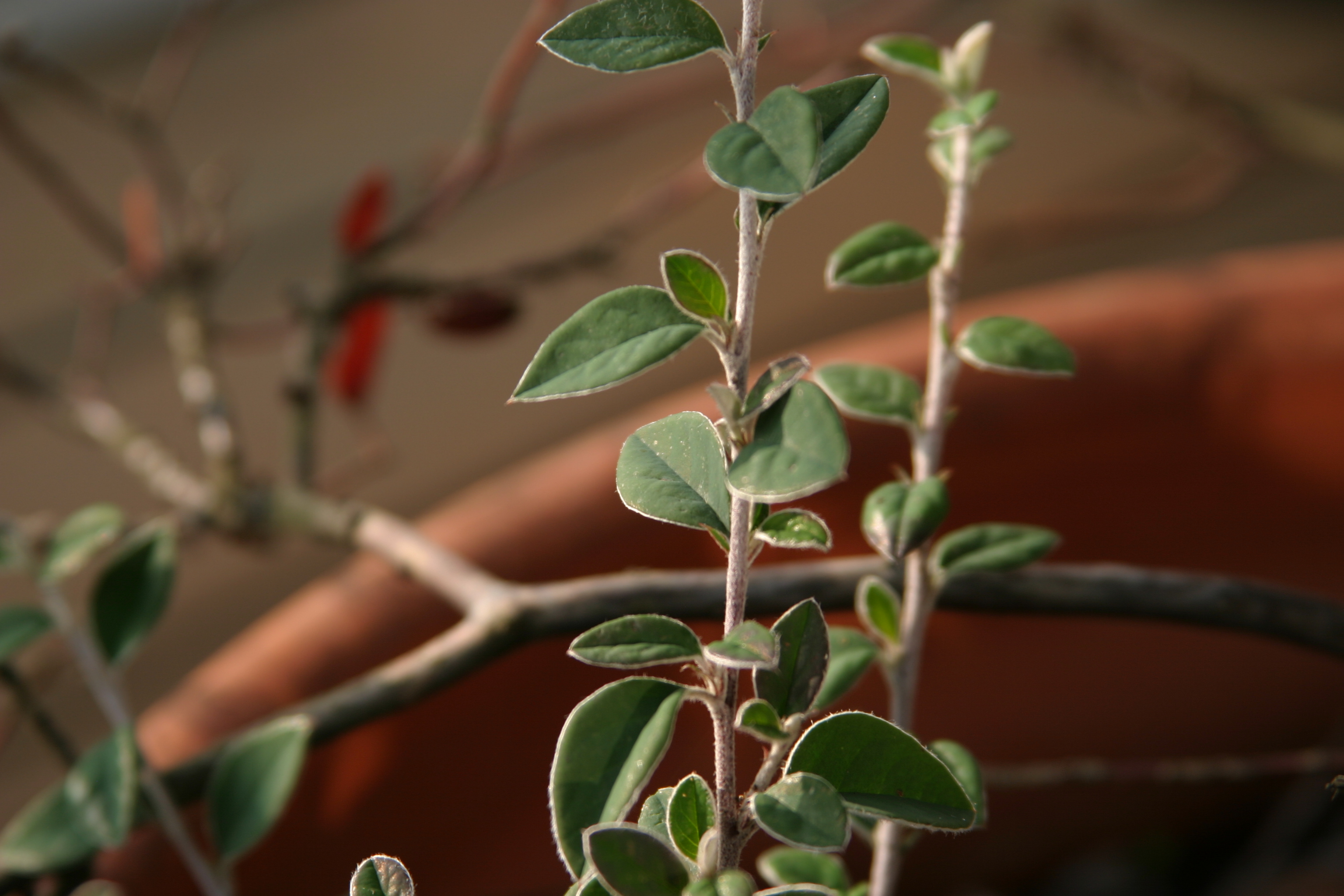
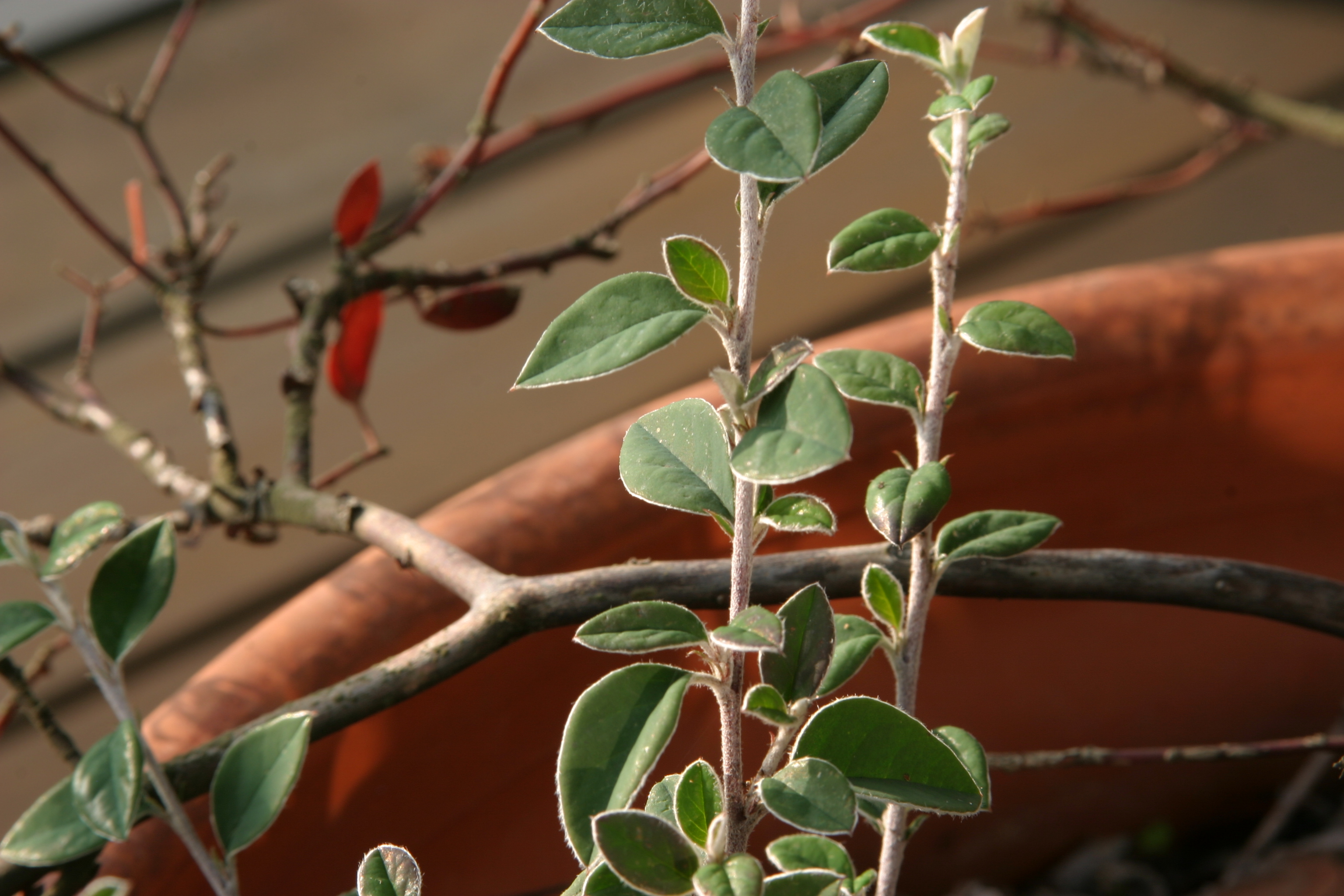
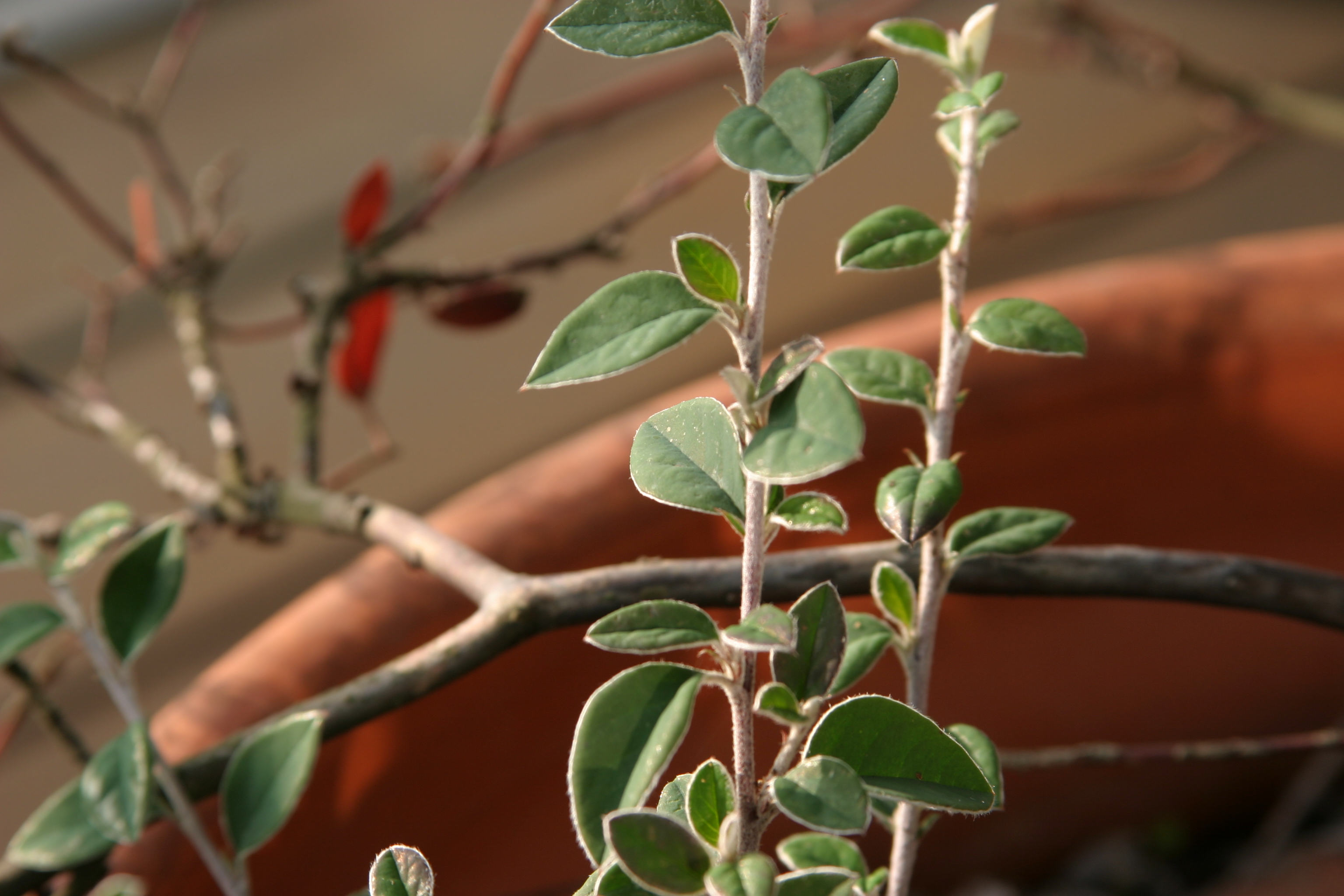

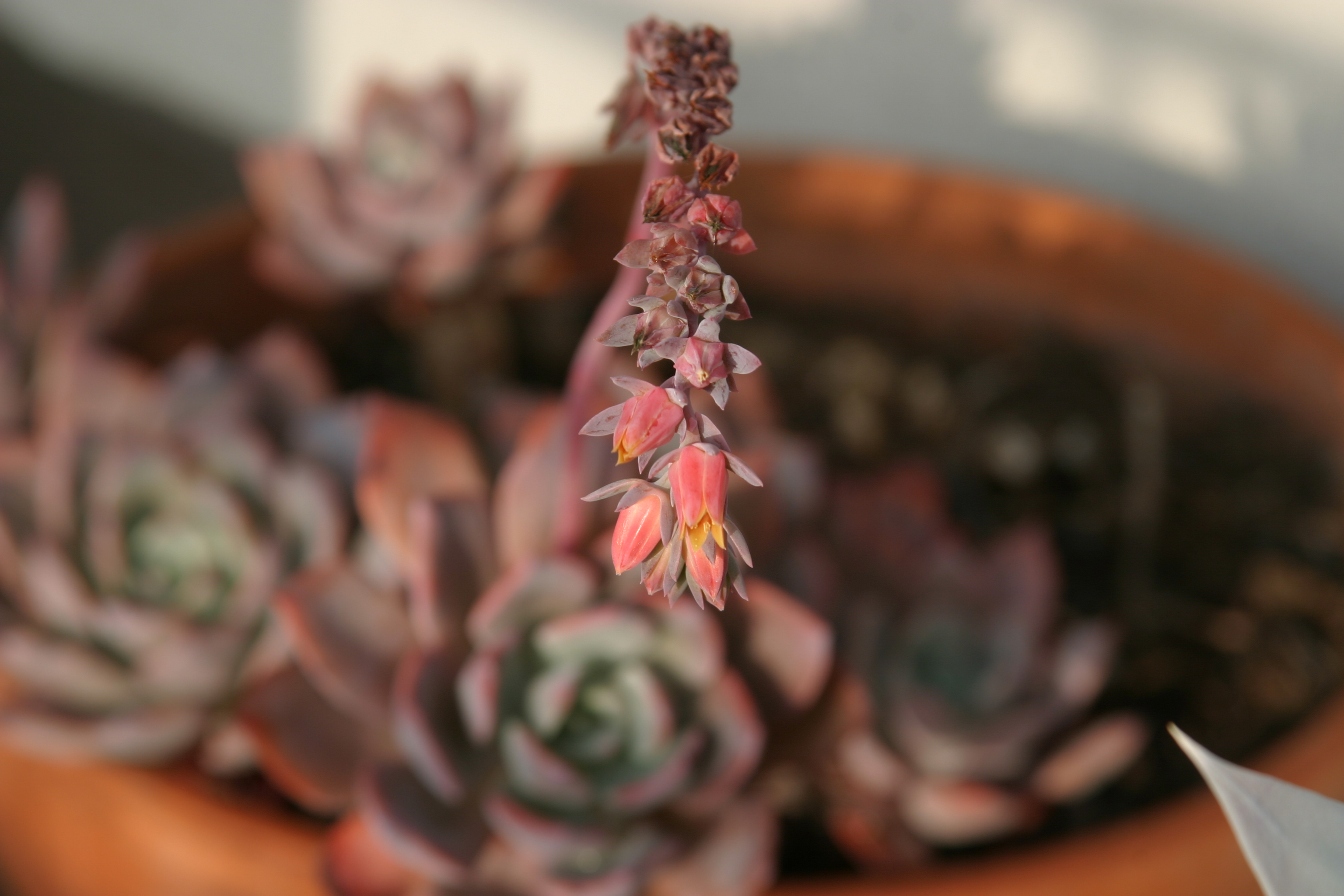

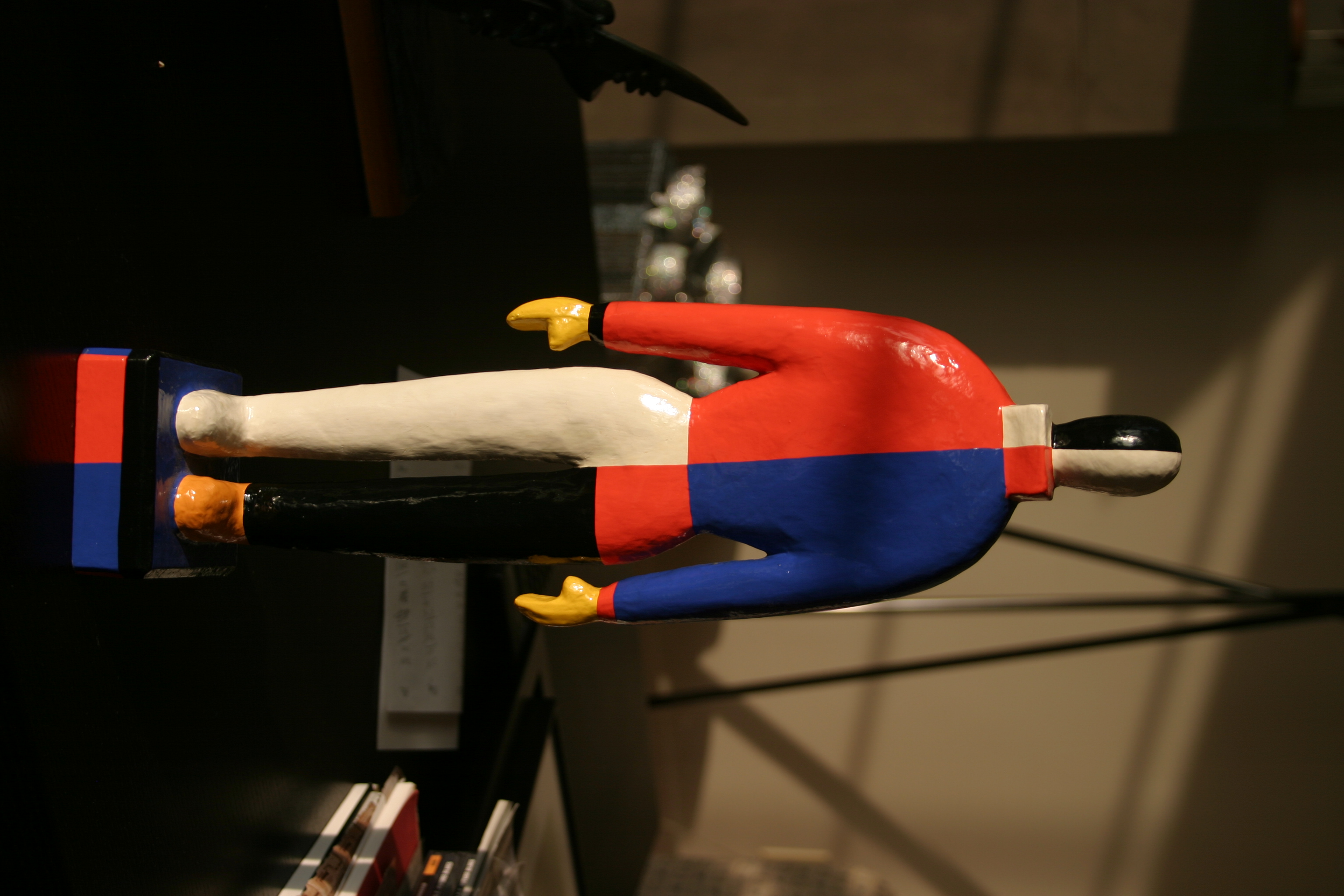
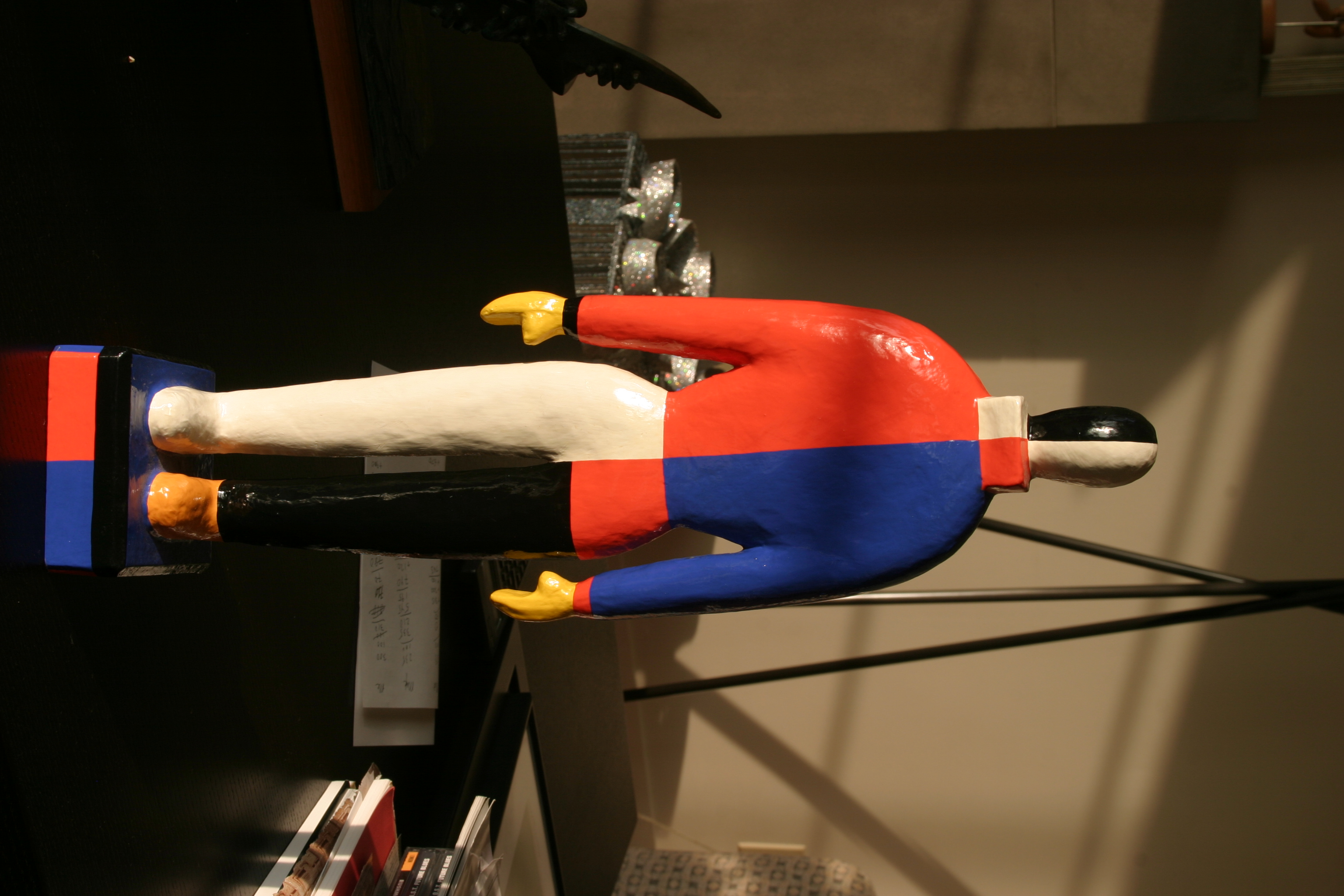

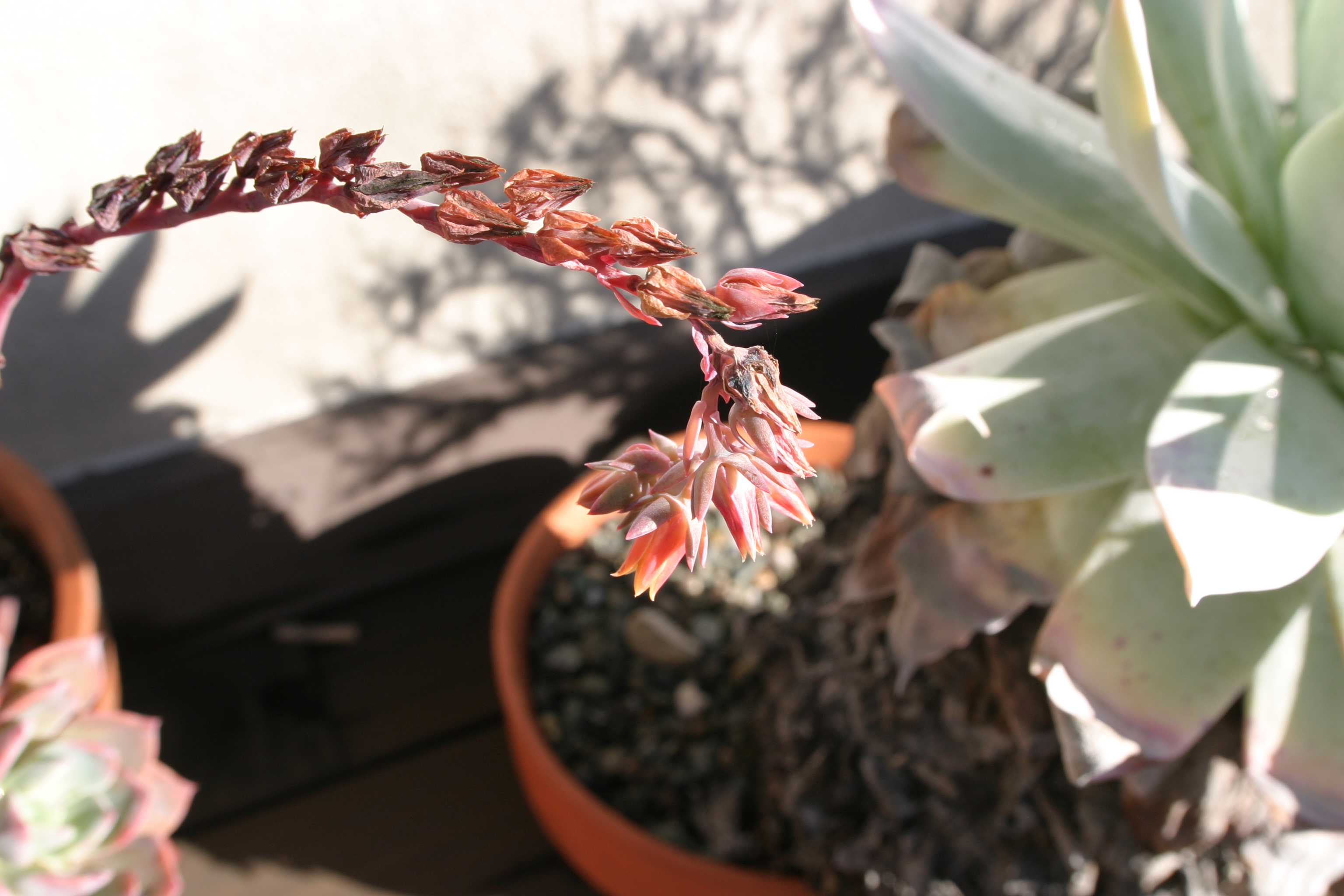
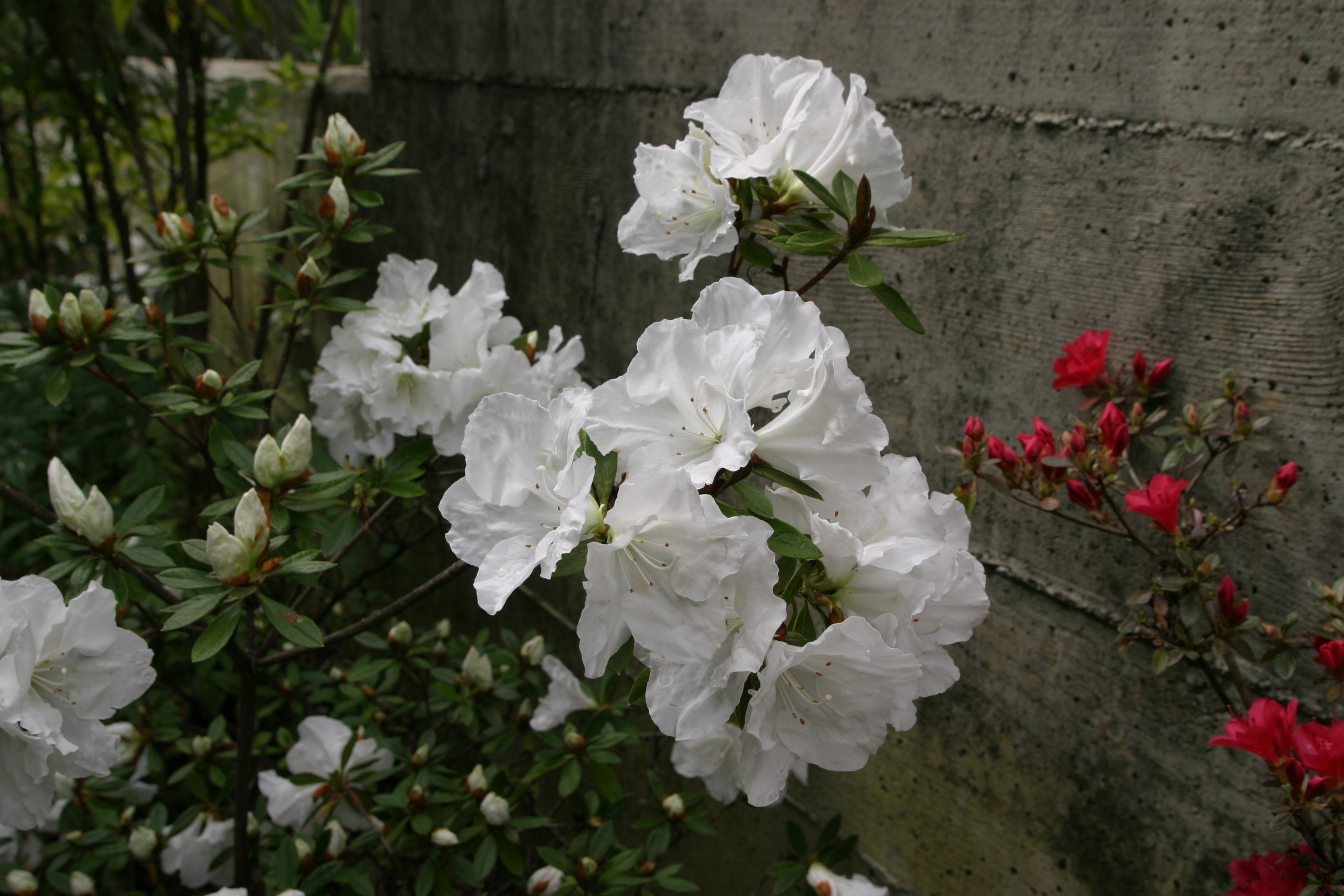
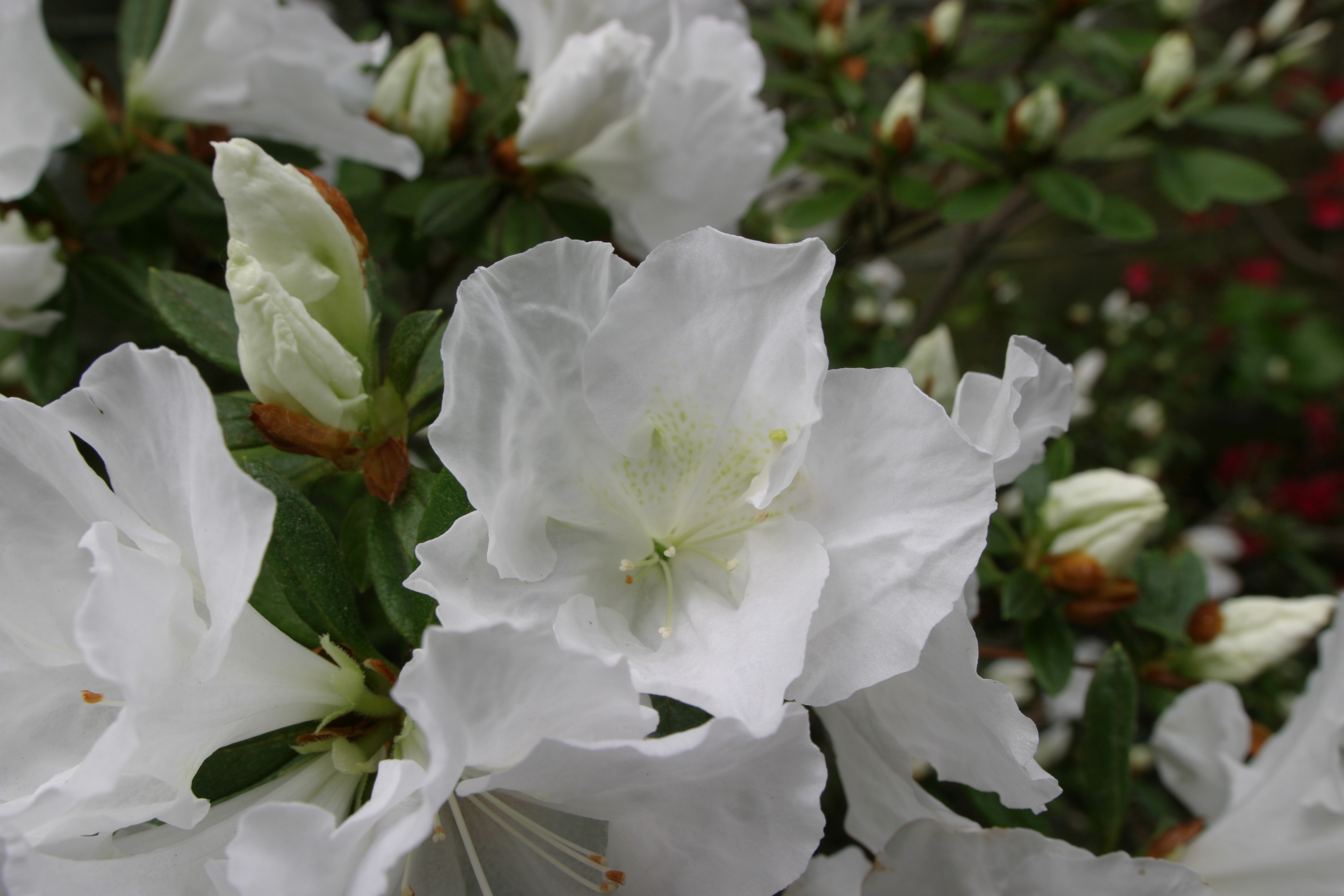
Most of these shots were done with the Canon 28-135mm IS USM Lens at macro ranges, and ISO-100. I adjusted the timing and F-stop to demonstrate depth-of-field. Image stabilization was turned on for all Canon lens shots, including the two tripod shots near the end.
The first three shots are focused on the leaf to the left, just above the horizontal branch. The two flowering cactus are focused in the middle of the flower shooting out from the cactus on a long stem. I took the second shot at ISO-400. You can see that ISO-400 works impressively well for fast exposures (but don't use it for long exposures!), the noise would not show up in a normal print though it does add some softness to the focus. The last two Canon shots (2146 and 2148) of the figure demonstrate depth of field from slight farther away. If you look at the paper behind and underneath, and the books, the depth of field is fairly obvious.
6110 and 6111 were taken with the Sigma 20mm F1.8 EX DG lens, a fixed focal length wide angle lens. This is an excellent lens for close-up shots and will focus a few inches from the front element. It is far better then the Canon lens in macro mode for obvious reasons. However, the Sigma lens has serious problems wide-open. Shots taken at anything less then F2.8 are basically unusable. F2.8 is just barely useable. F4.0-F13 produce Extremely Sharp results, far better then my Canon lens. I do not recommend this lens for low-light (wide open) photography but I do recommend it for daylight and flash shots at higher F stops. Note that others have reported serious light fall-off at the edges with full frame 35mm cameras, but this will have no effect on the 10D or 300D with its smaller sensor. Be sure to place the camera in Av mode when using this lens to prevent the camera from selecting F1.8, especially when using the flash. I cannot say it enough: do not take pictures at anything less then F2.8. Use at least F4.0 if you can, drop down to F3.5 if you must, and F2.8 if your life depends on it, but go no lower.
|
|
| 1/180 F5.6 ISO-100 (handheld) | 1/20 F13 ISO-100 (handheld) |
|
|
| 1/60 F8 ISO-100 (handheld) | 1/45 F16 ISO-100 (handheld) |
|
|
| 1/125 F8 ISO-100 (handheld) | 1/30 F27 ISO-400 (handheld) |
|
|
| 1/350 F4.0 ISO-100 (tripod) | 1/30 F13 ISO-100 (tripod) |
|
|
| 1/125 F22 Sigma 20mm F1.8 EX DG / ISO-200 | 1/125 F9.5 Sigma 20mm F1.8 EX DG / ISO-200 |
|
|
| 1/125 F8 Sigma 20mm F1.8 EX DG / ISO-100 | 1/60 F11 Sigma 20mm F1.8 EX DG / ISO-100 |